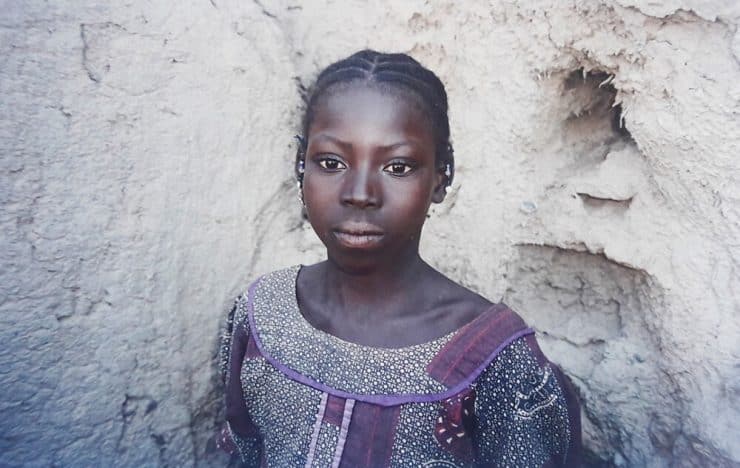
Extract calendar from the book Togu-na of Alexis Liberis in which he describes his trip to Mali, Africa with Terres d’ Aventure. A journey that is now impossible to make someone because of the ISIS operating in the area.
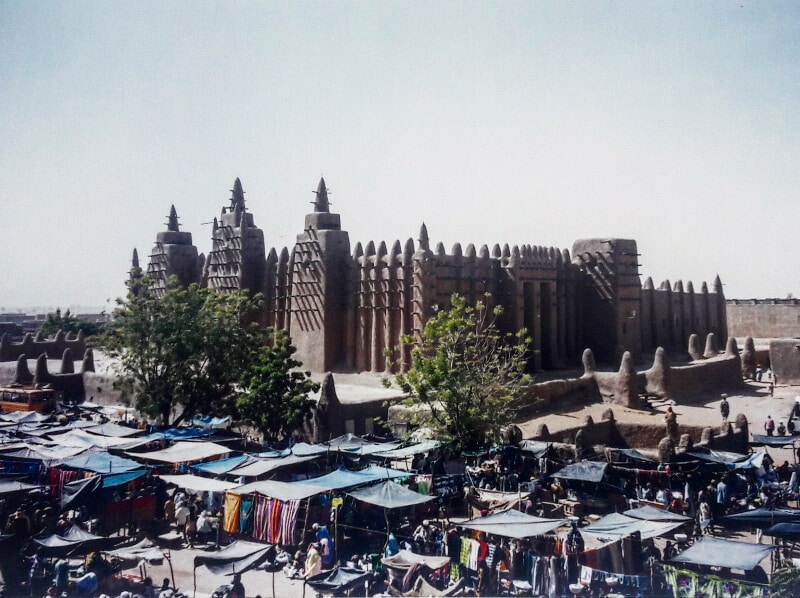
Trekking in the region of the Dogon…
6th day 22-12-1999 (Wednesday)
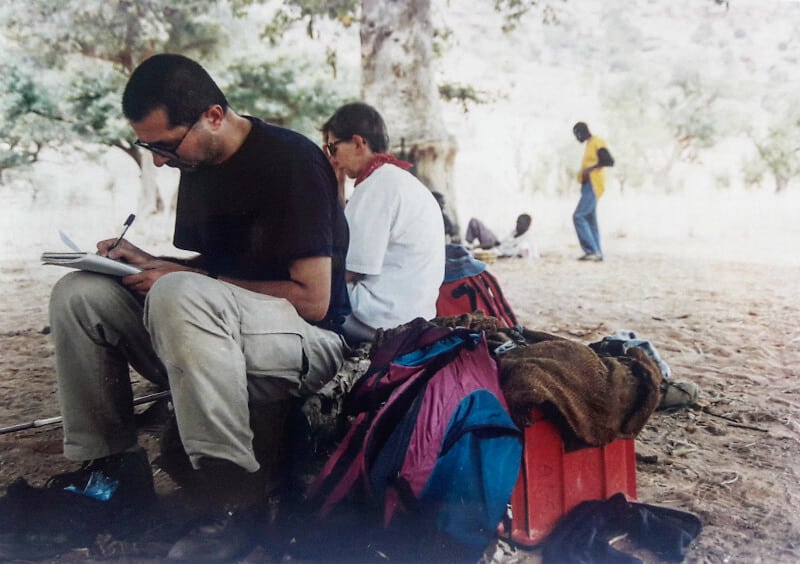
I woke up at 04.00 p.m., and I didn’t go back to sleep. I tossed and turned in the sleeping bag, 05.45 I got up, and by 06.30 we had already unset up the tents.
It’s hot and as long as a t-shirt. We started trekking around 07: 30. Our things get carried by a team of donkeys with the help of a wagon. We carry only a backpack with a canteen, cameras, windbreaker, etc.
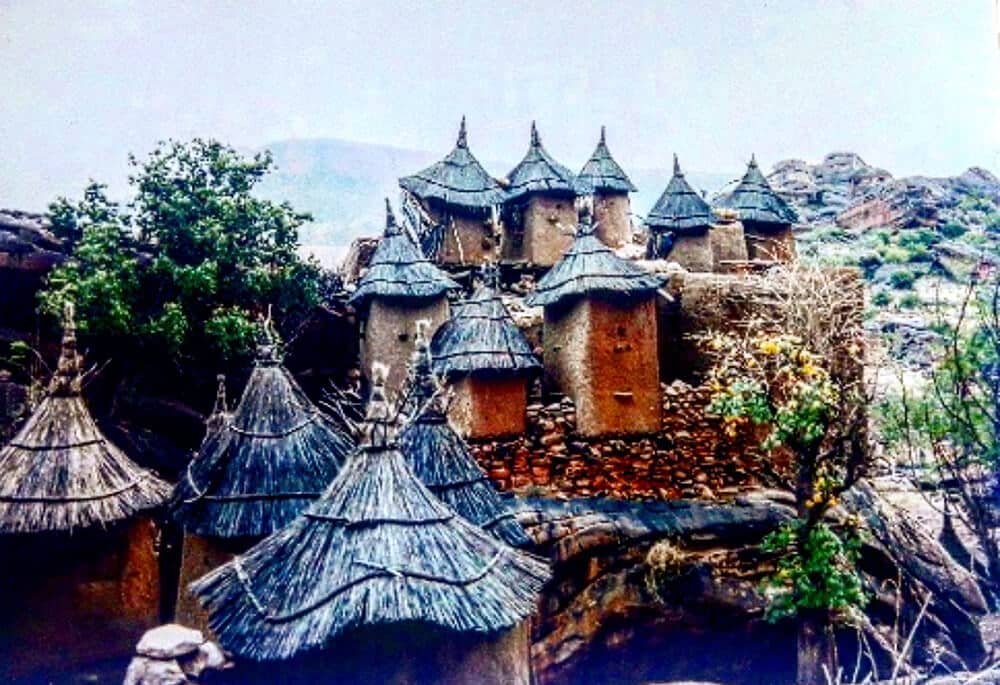
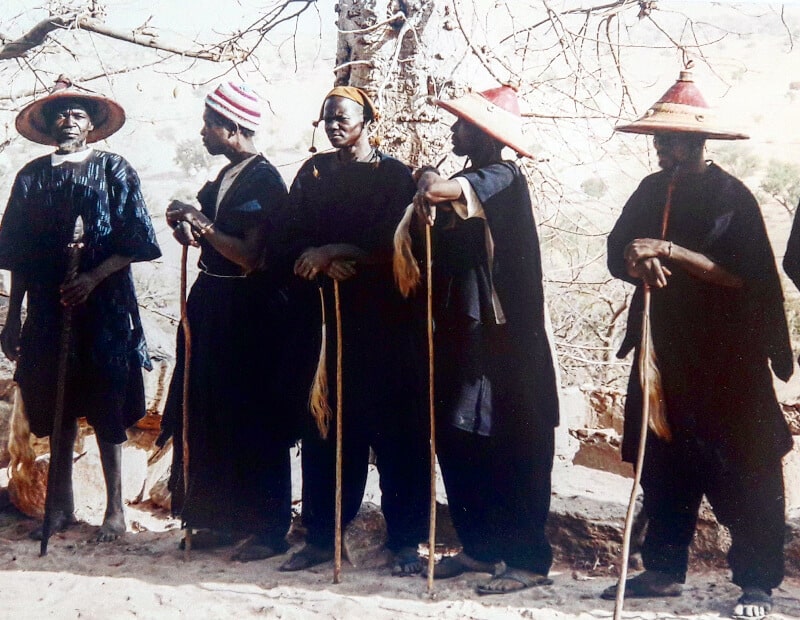
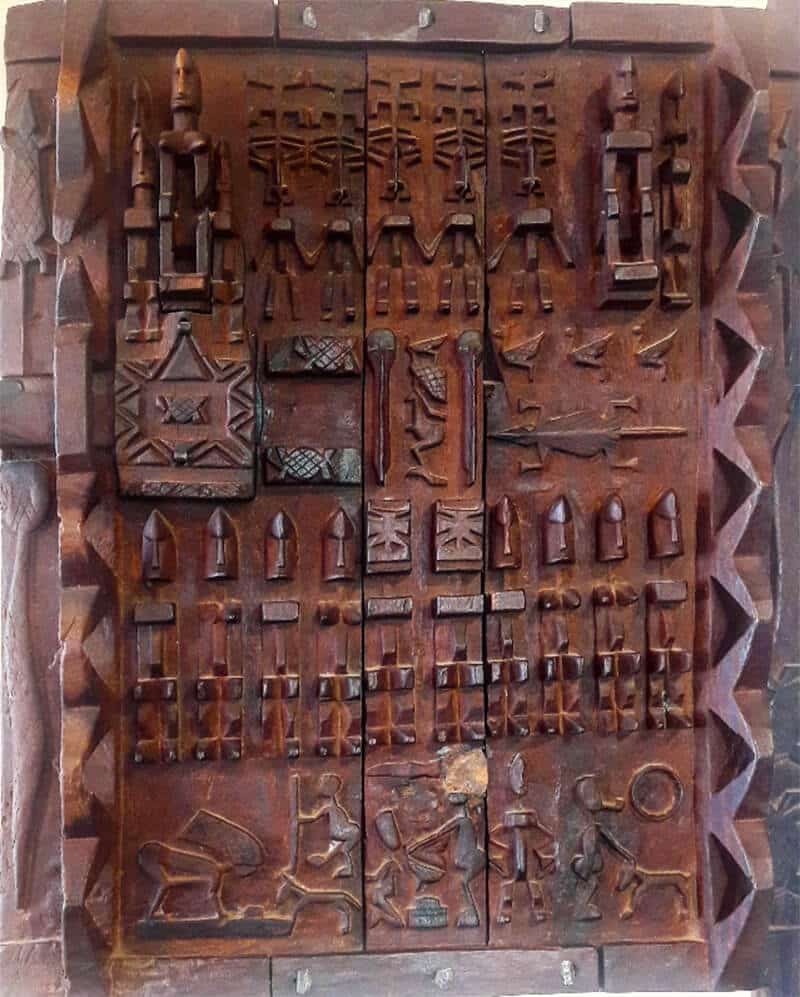
We went up in a village where three elders greeted us in front of the Toguna* of the village. After, Ama** told us a lot about the rituals that I don’t fully understand, have allowed us to photograph. I made and a picture with the Polaroid and gave it to him. After we crossed over 1-2 villages, we ended up on a plateau for lunch. It included tea, potatoes with sardines, cheese (yellow) and banana or tangerine. Until today, I try not to drink from the filtered water that is given to us in a jug because I saw the local escorts drink, directly from it. I Buy Coca-Cola. Also, I had with me two bottles of mineral water.
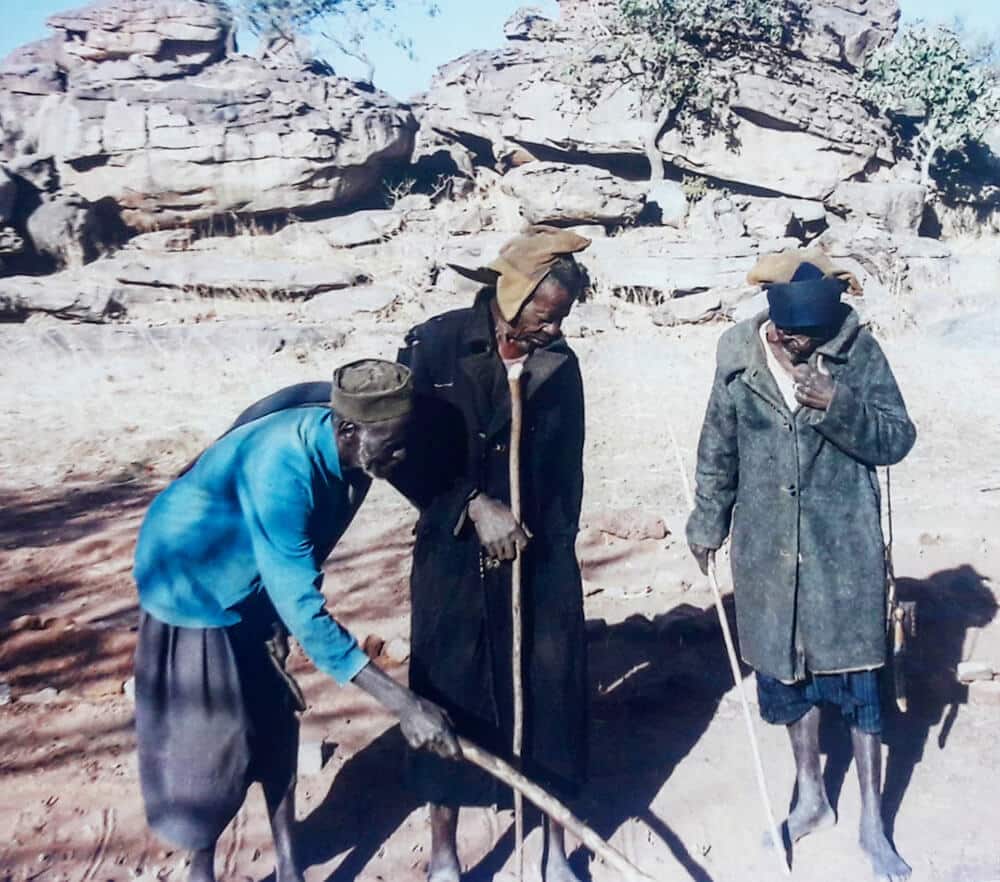
I have anxiety if I can find doors of the Dogon, as good as, I had seen at our hotel in Djenné.
The support staff that follows us is seven persons.
Around noon a group of 20-30 children from the nearby village was watching our movements.
I asked Ama if there’s a book with pictures from the region of Dogon. He told me that there is and that the last day will send someone in the Sanga to bring it to me and if I like it I’ll take it.***
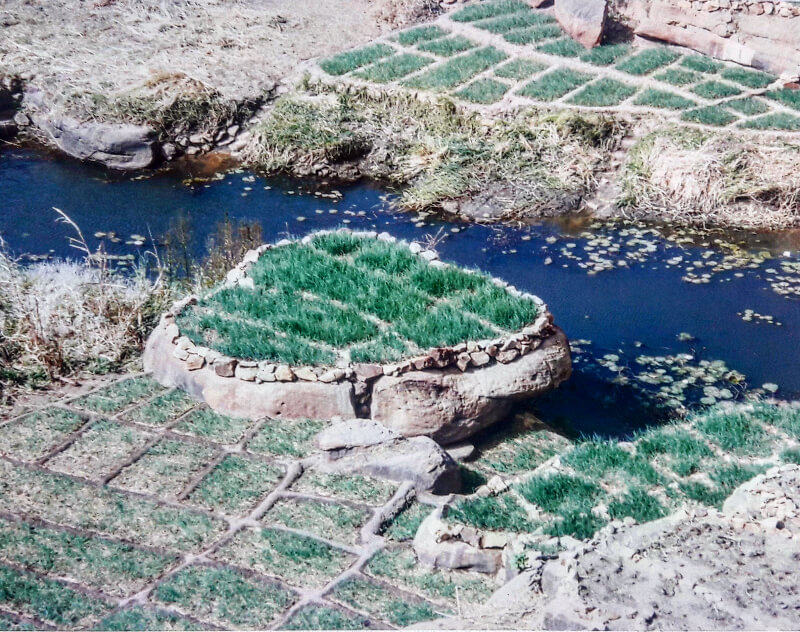
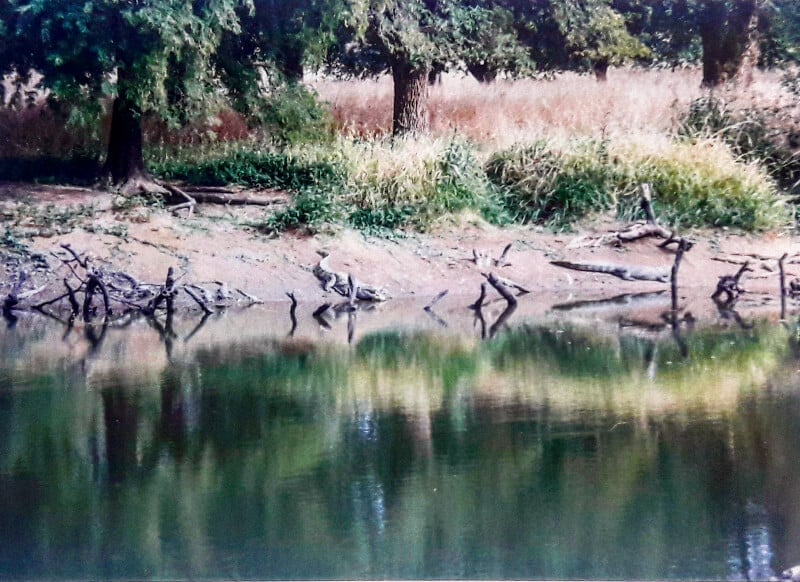
Nearby, there were fields of onions **** and women who carried water in gourds from a trough dug into the ground, which had crocodiles, to water.
I went in with the Polaroid. After negotiations, I captured three photos. One a boy, one a mother with a little one in arms and one in an elderly lady with one or two children next door. I offered them their photos and were extremely happy. In return, they sat down, and I took pictures of them with my own camera.

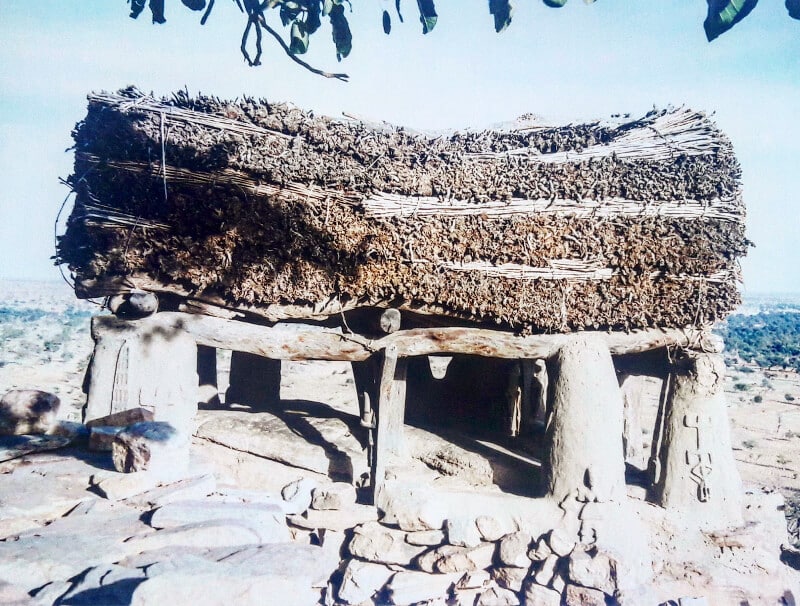
After 15.00, we pursued our course and headed to the village of Tiogou, where we will be staying for the night. On the route, we passed through a narrow, steep canyon, with a width of 1 meter. It was like it carves the mountain in two with a knife. An impressive sight. Crossing over the village, we saw that the fields with the vegetables it was gated because the area is dominated by the livestock. So they have protected them from animals. Before we get to the campsite, we crossed over the village. The most impressive thing we saw was a Toguna which was based on built-in fat columns instead of walls. When finally we arrived at the camp, they had already set up our tents under dense foliage of trees. It stank because all the campers were using the adjacent space as W.C.
For dinner, we ate soup, meat sauce (beef) with spaghetti, dates, and tea.
Ama told us that a 70-year-old woman had died in the village. She would get buried in a cave and then they would have been building the entrance. When a man dies, the funeral lasts three days and begins in the afternoon, and when he dies, a woman takes two and starts after dinner.

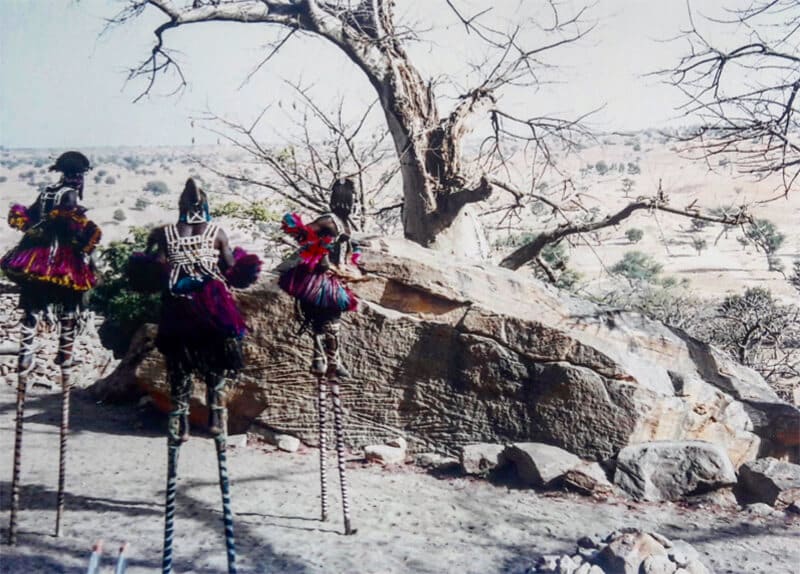
We went to the funeral ceremony when they started to strike the drums. Simultaneously, they were singing. One of them was singing a verse line, and all together were repeating it. The women were lined up on two walls, approximately across from each other, like a dance of ancient tragedy. They held in their hands’ small gourds filled up with pebbles (like maracas), and wands with hairs on the edges as they swung rhythmically to the body. – Ama notified us to not capture pictures with flash. Later, they started to dance with masks. However, it was 23.30 o’ clock, and everyone in the group wanted to leave. As a result, unluckily, I went too. The funeral ceremony had begun with the shots. Until 06.00 in the early morning, we could be hearing drums and songs. We didn’t see the dead.
Earlier on, we were in a small square near the place of the funeral ceremony. Across from us were women of various unknown ages that we couldn’t see in the dark. They were laughing and didn’t seem depressed about death at all. Ama told us that it was said that the village had many women, so if any of us hadn’t, they were offering to marry us with one them.
I went to bed at 24.00 with the clothes out of the sleeping bag.
Notes
* Togu-na, means the house of Speech. The center of the social and political life of the village, in all the region of Dogon. In this meeting the village council which decides for each activity. It is made of columns of wood or stones, low.
** Ama: The name of the local tour guide
*** The book didn’t come into my hands because I, actually, forgot to ask.
**** A lot of organizations, wanting to help those people, so they were proposing to them planting onions which needn’t frequently water to grow.